Yahoo Groups archive

Vintage Synth Repair

Index last updated: 2026-04-28 23:41 UTC

Thread

Dumb question, but this is driving me nuts... > Older Cap Polarity

Dumb question, but this is driving me nuts... > Older Cap Polarity

2013-02-25 by Nick Bell

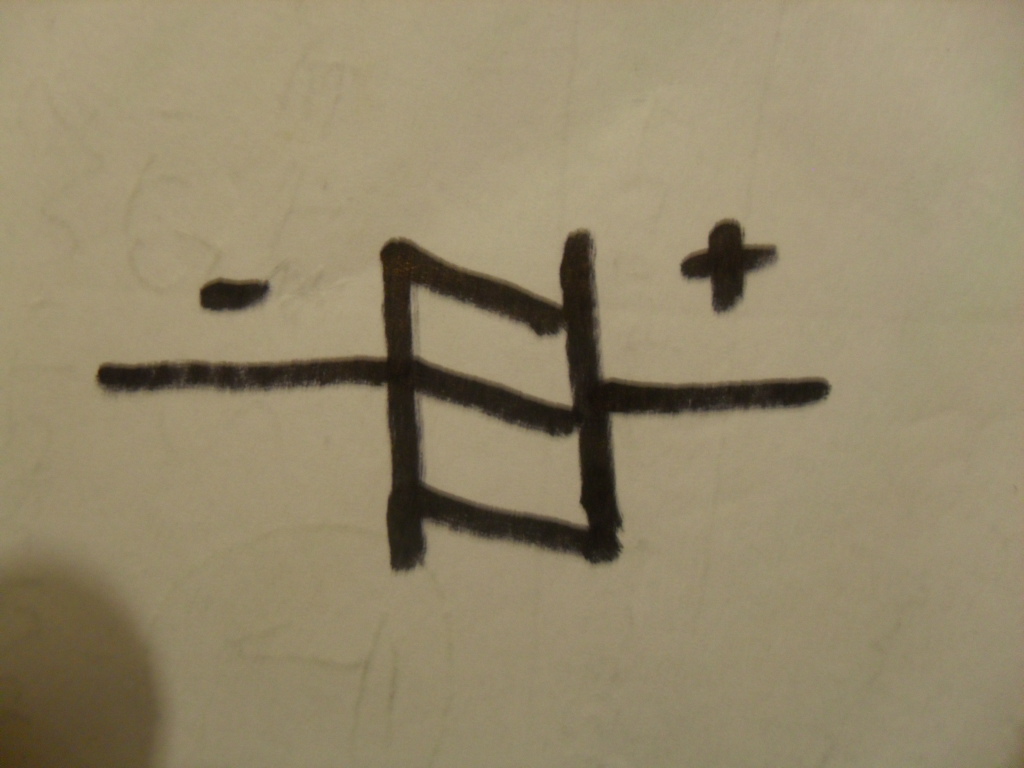
This is def going to seem a bit of a dumb question but I am just trying to identify the polarity of some old electrolytic caps I am replacing. The old ones don't have any markings, they just have most of the writing on one side. On the board the symbol is marked as per my attachment but without the + & - that I have added.

Can someone tell me please if I am correct with my polarity markings or not! Internet image search for old cap symbols just comes up with something similar but the slope of the lines in the middle go the other way (they go up from left to right instead & indicate + on the right). Confused!

Thanks
Nick

Attachments

Re: [vintagesynthrepair] Dumb question, but this is driving me nuts... > Older Cap Polarity [1 Attachment]

2013-02-25 by Tom Russell

Nick-
I believe it's just a symbol to indicate an electrolytic. I don't think the direction of the lines implies anything beyond artistic license. If the polarity isn't marked it's probably safe to assume that it's non-polarized. You can check to see if one lead or another is tied to a ground trace (but if it's a filter cap on a negative voltage supply, the (+) side is at ground.)


--- On Mon, 2/25/13, Nick Bell <mckenzie126@...> wrote:
Show quoted textHide quoted text
From: Nick Bell <mckenzie126@...>
Subject: [vintagesynthrepair] Dumb question, but this is driving me nuts... > Older Cap Polarity [1 Attachment]
To: "vintagesynthrepair@yahoogroups.com" <vintagesynthrepair@yahoogroups.com>
Date: Monday, February 25, 2013, 12:32 PM


        [Attachment(s) from Nick Bell included below]
        
      
      This is def going to seem a bit of a dumb question but I am just trying to identify the polarity of some old electrolytic caps I am replacing. The old ones don't have any markings, they just have most of the writing on one side. On the board the symbol is marked as per my attachment but without the + & - that I have added.
 Can someone tell me please if I am correct with my polarity markings or not! Internet image search for old cap symbols just comes up with something similar but the slope of the lines in the middle go the other way (they go up from left to right instead & indicate + on the right). Confused!
Thanks 
Nick

Re: [vintagesynthrepair] Dumb question, but this is driving me nuts... > Older Cap Polarity

2013-02-25 by Nick Bell

Hmm.. looks like I need to learn more about NP caps oppose to 
polarized. I assumed the symbol on the board would indicate some sort of
 polarization. Sorry for my ignorance in this area, i am learning. The 
old ones I am replacing look like electrolytic's but as I said they 
don't have any obvious polarity markings. They are from one of the 6 
channels on a JX-3P (...yes.. I am still working on this..!!). I am 
however learning a lot in the process - my diy audio probe is working 
wonders thus far allowing me to home in on the problematic areas.

Thanks for your time in answering my question guys I really appreciate it - just one more question - can I use the polarized electrolytic's that I have ordered in place of these, what would now appear to be, NP caps? Or maybe someone could direct me to some literature on this specific subject.

Nick


________________________________
 From: Tom Russell <russelltc@...>
To: vintagesynthrepair@yahoogroups.com 
Sent: Monday, 25 February 2013, 18:56
Subject: Re: [vintagesynthrepair] Dumb question, but this is driving me nuts... > Older Cap Polarity


Nick-
I believe it's just a symbol to indicate an electrolytic. I don't think the direction of the lines implies anything beyond artistic license. If the polarity isn't marked it's probably safe to assume that it's non-polarized. You can check to see if one lead or another is tied to a ground trace (but if it's a filter cap on a negative voltage supply, the (+) side is at ground.)


--- On Mon, 2/25/13, Nick Bell <mckenzie126@...> wrote:


>From: Nick Bell <mckenzie126@...>
>Subject: [vintagesynthrepair] Dumb question, but this is driving me nuts... > Older Cap Polarity [1 Attachment]
>To: "vintagesynthrepair@yahoogroups.com" <vintagesynthrepair@yahoogroups.com>
>Date: Monday, February 25,
 2013, 12:32 PM
Show quoted textHide quoted text
>
>
>  
>This is def going to seem a bit of a dumb question but I am just trying to identify the polarity of some old electrolytic caps I am replacing. The old ones don't have any markings, they just have most of the writing on one side. On the board the symbol is marked as per my attachment but without the + & - that I have added.
>
>
>Can someone tell me please if I am correct with my polarity markings or not! Internet image search for old cap symbols just comes up with something similar but the slope of the lines in the middle go the other way (they go up from left to right instead & indicate + on the right). Confused!
>
>
>Thanks 
>
>Nick
>
RE: [vintagesynthrepair] Dumb question, but this is driving me nuts... > Older Cap Polarity [1 Attachment]

2013-02-26 by Brian

Hi Nick

As far as I know this symbol is for a non-polarized capacitor and will be non-polarized for a reason!  The reason is that the voltage polarity can swing both positive and negative.  This means that you cannot use a polarized electrolytic device.

If the capacitance value is low enough there is no reason why you should not us any capacitor such as paper, polyester, polycarbonate etc.  This would explain why the existing devices have no polarity markings.

If the value is too high then you will have to use non-polarized electrolytics.  If you use polarized electrolytics there is a danger that they will give up the ghost or even collapse by blowing out the end cap, at the worst they could explode.  This could occur if they sit there with reverse polarity of a high enough voltage for any length of time, the higher the reverse voltage the shorter the time before they pack up, and yes I have had this happen on a number of occasions and believe me you don’t want to have to clean up the mess they make when they explode!

Regards

Brian G3OYU
Show quoted textHide quoted text
From: vintagesynthrepair@yahoogroups.com [mailto:vintagesynthrepair@yahoogroups.com] On Behalf Of Nick Bell
Sent: 25 February 2013 5:33
To: vintagesynthrepair@yahoogroups.com
Subject: [vintagesynthrepair] Dumb question, but this is driving me nuts... > Older Cap Polarity [1 Attachment]


[Attachment(s) from Nick Bell included below] 

This is def going to seem a bit of a dumb question but I am just trying to identify the polarity of some old electrolytic caps I am replacing. The old ones don't have any markings, they just have most of the writing on one side. On the board the symbol is marked as per my attachment but without the + & - that I have added.


Can someone tell me please if I am correct with my polarity markings or not! Internet image search for old cap symbols just comes up with something similar but the slope of the lines in the middle go the other way (they go up from left to right instead & indicate + on the right). Confused!


Thanks 

Nick

Re: [vintagesynthrepair] Dumb question, but this is driving me nuts... > Older Cap Polarity

2013-02-26 by Nick Bell

Thanks Brian, after reading up on this last night it seems obvious now, not the symbols but your explanation & how the AC signal is working in the circuit. It's all stuff I learnt way back when I studied electronics (yep I have actually studied properly which is hard to believe I know!), it's all filtering back slowly though! Thanks for answering my silly questions!

Nick


________________________________
Show quoted textHide quoted text
 From: Brian <brian@...>
To: vintagesynthrepair@yahoogroups.com 
Sent: Tuesday, 26 February 2013, 8:07
Subject: RE: [vintagesynthrepair] Dumb question, but this is driving me nuts... > Older Cap Polarity


Hi Nick
As far as I know this symbol is for a non-polarized capacitor and will be non-polarized for a reason!  The reason is that the voltage polarity can swing both positive and negative.  This means that you cannot use a polarized electrolytic device.
If the capacitance value is low enough there is no reason why you should not us any capacitor such as paper, polyester, polycarbonate etc.  This would explain why the existing devices have no polarity markings.
If the value is too high then you will have to use non-polarized electrolytics.  If you use polarized electrolytics there is a danger that they will give up the ghost or even collapse by blowing out the end cap, at the worst they could explode.  This could occur if they sit there with reverse polarity of a high enough voltage for any length of time, the higher the reverse voltage the shorter the time before they pack up, and yes I have had this happen on a number of occasions and believe me you don’t want to have to clean up the mess they make when they explode!
Regards
Brian G3OYU
 
From:vintagesynthrepair@yahoogroups.com [mailto:vintagesynthrepair@yahoogroups.com] On Behalf Of Nick Bell
Sent: 25 February 2013 5:33
To: vintagesynthrepair@yahoogroups.com
Subject: [vintagesynthrepair] Dumb question, but this is driving me nuts... > Older Cap Polarity [1 Attachment]
 
  
[Attachment(s) from Nick Bell included below] 
This is def going to seem a bit of a dumb question but I am just trying to identify the polarity of some old electrolytic caps I am replacing. The old ones don't have any markings, they just have most of the writing on one side. On the board the symbol is marked as per my attachment but without the + & - that I have added.
 
Can someone tell me please if I am correct with my polarity markings or not! Internet image search for old cap symbols just comes up with something similar but the slope of the lines in the middle go the other way (they go up from left to right instead & indicate + on the right). Confused!
 
Thanks 
Nick

Move to quarantaine

This moves the raw source file on disk only. The archive index is not changed automatically, so you still need to run a manual refresh afterward.