Yahoo Groups archive

Homebrew_PCBs

Index last updated: 2026-03-31 23:13 UTC

Thread

PCB cleaning method

PCB cleaning method

2004-11-03 by Manuel Bessler

Hi group,

A friend of mine stumbled upon a great method for PCB / copper clad
cleaning before doing toner transfer.

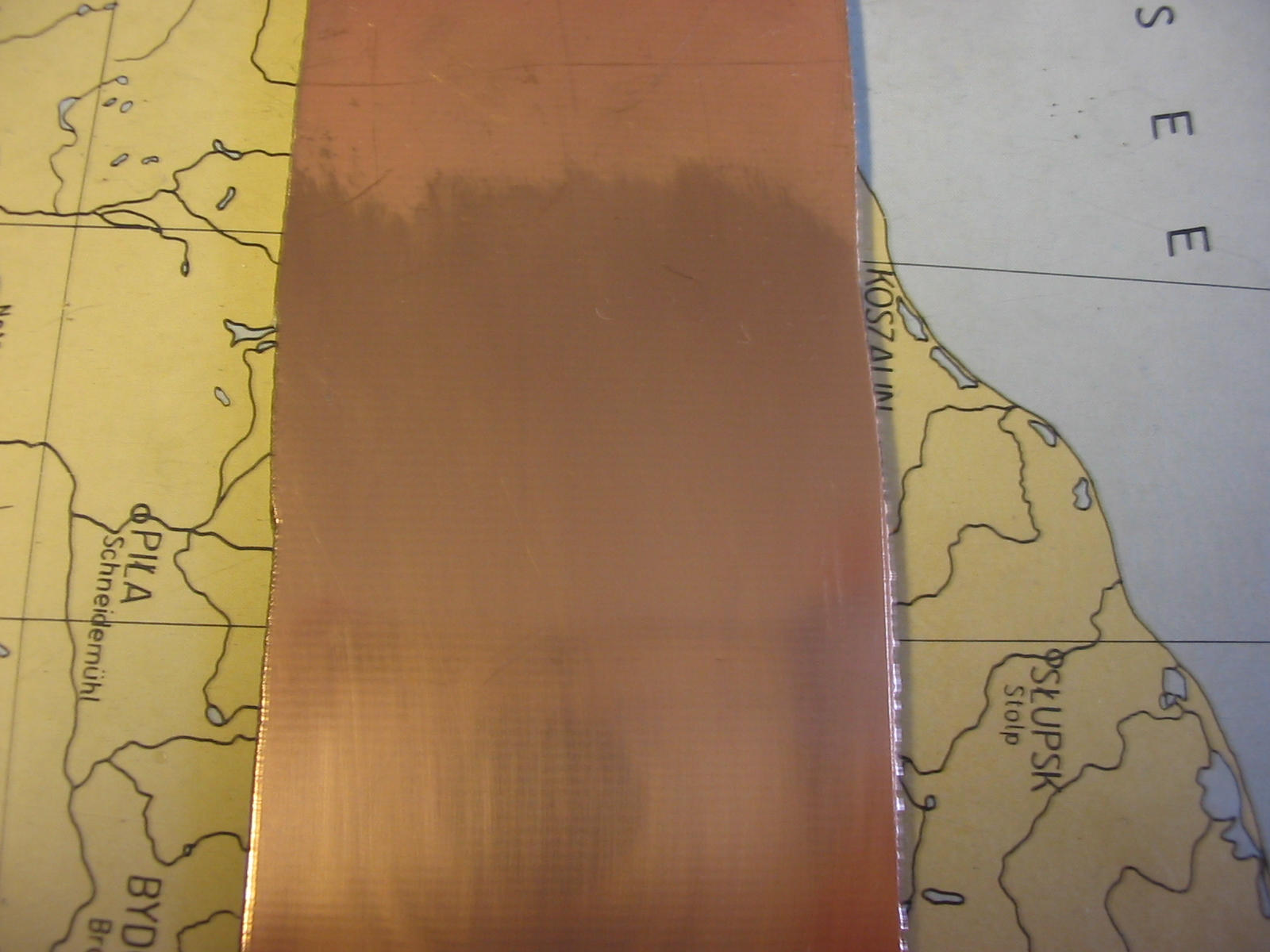
Nevr-Dull (www.nevr-dull.com) "magic wadding polish" seems to take off all the dirt and grease with minimal force.
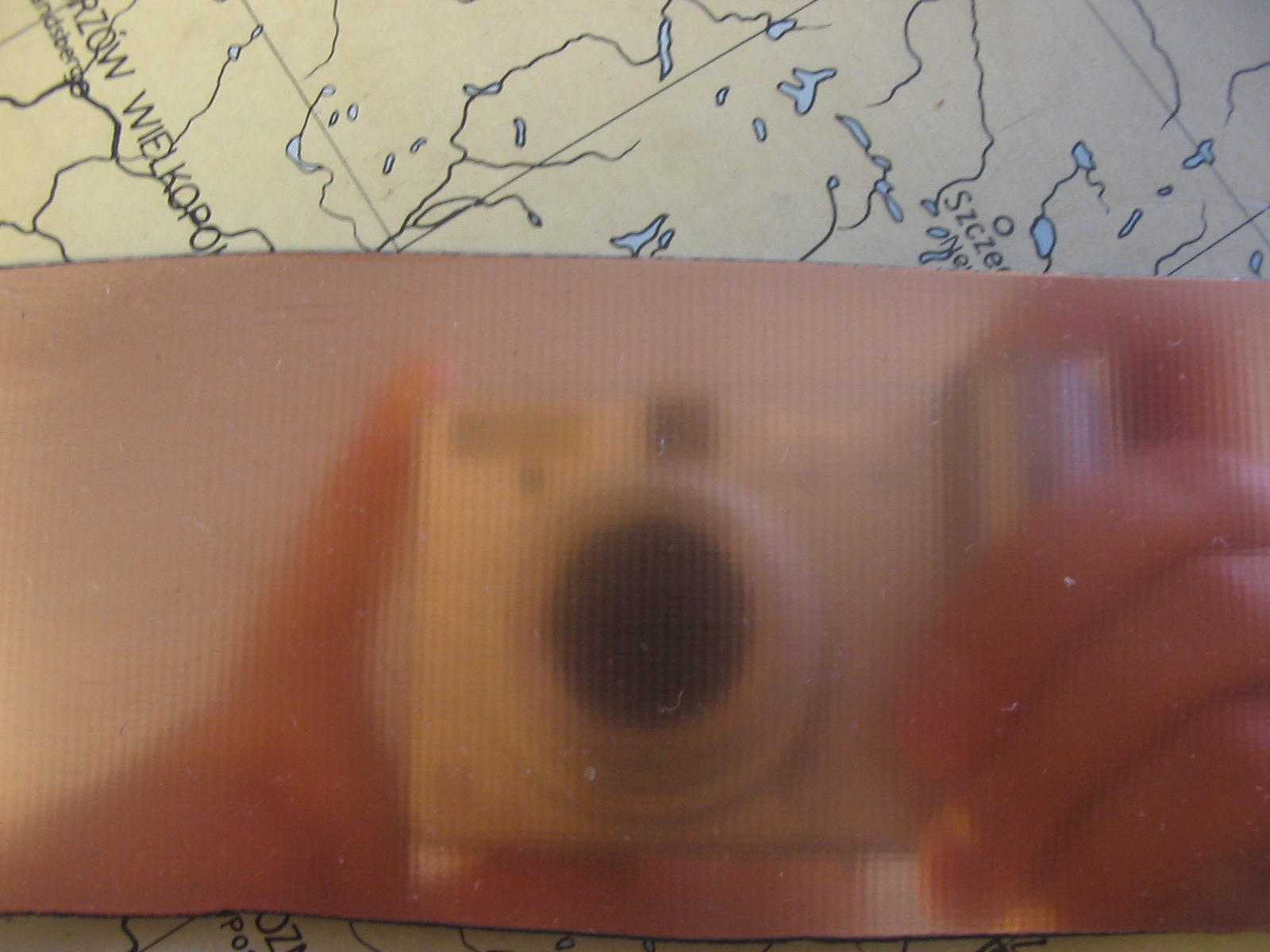
The copper surface comes out real nice, and makes a great mirror :)

After he showed me this, I went online to check if Nevr-Dull is also
available here in Germany (my friend got it from the US), and sure
enough, I found that its available at a couple of online stores, ebay,
and people said that some auto-equipment stores also carry it.
It seems to be popular among motor-cyclists (to make the chrome parts
all nice and shiny :)

The toner seemed to stick better than ever before.

I can upload some pictures later if someone is interested.


Regards,
Manuel
Re: [Homebrew_PCBs] PCB cleaning method

2004-11-03 by Stefan Trethan

On Wed, 3 Nov 2004 18:23:33 +0100, Manuel Bessler <pic@...> wrote:

>
> Hi group,
>
> A friend of mine stumbled upon a great method for PCB / copper clad
> cleaning before doing toner transfer.
>
> Nevr-Dull (www.nevr-dull.com) "magic wadding polish" seems to take off
> all the dirt and grease with minimal force.
> The copper surface comes out real nice, and makes a great mirror :)
>
> After he showed me this, I went online to check if Nevr-Dull is also
> available here in Germany (my friend got it from the US), and sure
> enough, I found that its available at a couple of online stores, ebay,
> and people said that some auto-equipment stores also carry it.
> It seems to be popular among motor-cyclists (to make the chrome parts
> all nice and shiny :)
>
> The toner seemed to stick better than ever before.
>
> I can upload some pictures later if someone is interested.
>
>
> Regards,
> Manuel

would be great if you can post german sources. can't find at ebay.de

thanks

st

Re: [Homebrew_PCBs] Re: PCB cleaning method

2004-11-04 by Stefan Trethan

On Thu, 4 Nov 2004 04:01:59 +0100, Manuel Bessler <pic@...> wrote:

>
> OK, I've uploaded two pictures to my website showing the results of
> Nevr-Dull as a PCB cleaning aid:
>
> http://cockpit.varxec.net/tmp/img2688.jpg
> http://cockpit.varxec.net/tmp/img2691.jpg
>
> In both pictures you can the camera mirrored :)
>
>
> Manuel
>
>


Did you clean the board with solvent after nevr dull? It is said it leaves
a coating.
I am surprised the toner sticks to it, i expect it to be similar to
polishing wax.

ST

Re: [Homebrew_PCBs] Re: PCB cleaning method

2004-11-04 by Manuel Bessler

On Thu, 04 Nov 2004 06:57:43 +0100
Stefan Trethan wrote:
> > OK, I've uploaded two pictures to my website showing the results of
> > Nevr-Dull as a PCB cleaning aid:
> >
> > http://cockpit.varxec.net/tmp/img2688.jpg
> > http://cockpit.varxec.net/tmp/img2691.jpg

> Did you clean the board with solvent after nevr dull? It is said it
> leaves a coating.
> I am surprised the toner sticks to it, i expect it to be similar to
> polishing wax.

I don't think we cleaned it with solvent afterwards, AFAIR we just
rubbed the "film" of that stuff off with Kleenex paper tissue.

But the toner sticked very well.
Until now, I always used the "Poli-block" from Seno. Its used like an
"eraser" on PCBs. But it takes time and force to get a PCB nicely
cleaned.


Manuel

Re: PCB cleaning method

2004-11-04 by Phil

it is possible that the film this stuff leaves is some how binding to
the toner. How does it do on large areas of copper? I'm always
looking for ways to reduce pinholes.

Phil

--- In Homebrew_PCBs@yahoogroups.com, Manuel Bessler <pic@v...> wrote:
> On Thu, 04 Nov 2004 06:57:43 +0100
> Stefan Trethan wrote:
> > > OK, I've uploaded two pictures to my website showing the results of
> > > Nevr-Dull as a PCB cleaning aid:
> > >
> > > http://cockpit.varxec.net/tmp/img2688.jpg
> > > http://cockpit.varxec.net/tmp/img2691.jpg
>
> > Did you clean the board with solvent after nevr dull? It is said it
> > leaves a coating.
> > I am surprised the toner sticks to it, i expect it to be similar to
> > polishing wax.
>
> I don't think we cleaned it with solvent afterwards, AFAIR we just
> rubbed the "film" of that stuff off with Kleenex paper tissue.
>
> But the toner sticked very well.
> Until now, I always used the "Poli-block" from Seno. Its used like an
> "eraser" on PCBs. But it takes time and force to get a PCB nicely
> cleaned.
>
>
> Manuel

Re: [Homebrew_PCBs] Re: PCB cleaning method

2004-11-04 by Stefan Trethan

On Thu, 04 Nov 2004 19:40:31 -0000, Phil <phil1960us@...> wrote:

>
>
> it is possible that the film this stuff leaves is some how binding to
> the toner. How does it do on large areas of copper? I'm always
> looking for ways to reduce pinholes.
>
> Phil

same thinking here.

reduce pinholes: use thinner paper (and no carrier sheet) makes the
printer apply more toner.
second run through the laminator tends to close them, but potentially
reduces resolution of course.

I'm reluctant to order the cleaner, unless there are more reports of it's
good quality.
(kind of pricy with shipping)

ST

Re: [Homebrew_PCBs] Re: PCB cleaning method

2004-11-04 by Manuel Bessler

On Thu, 04 Nov 2004 19:40:31 -0000
Phil wrote:

>
>
> it is possible that the film this stuff leaves is some how binding to
> the toner. How does it do on large areas of copper? I'm always
> looking for ways to reduce pinholes.

It does very well on large copper areas. That particular board had only
a few traces, and the rest was all copper pour. So effectively the board
was >95% copper.

I can post a picture of the board later.


Manuel

Re: PCB cleaning method

2004-11-04 by RMustakos

After much thinking for an old brain, I remember that we used something
like this (sometimes instead of Brasso) to clean the brass for our
uniforms. I guess that begs the question if whether anyone has tried
Brasso for cleaning copper clad? I know it gets brass down to the bare
metal pretty quickly. As I remember, so does the stuff like this we
used to use, but I thinks the stuff on the pads left more of a film than
the brasso, but was _much_ easier to use. Brasso required a little
elbow grease, and this stuff just stripped the tarnish away, but like I
said, left more of a film. Of course, this is 20+ year old data,
scrounged out after 20 years from a less than reliable source (my brain,
or what passes for it these days).
Richard

Re: [Homebrew_PCBs] Re: PCB cleaning method

2004-11-04 by lists

In article <418AA267.80908@...>,
RMustakos <rmustakos@...> wrote:

> After much thinking for an old brain, I remember that we used something
> like this (sometimes instead of Brasso) to clean the brass for our
> uniforms. I guess that begs the question if whether anyone has tried
> Brasso for cleaning copper clad? I know it gets brass down to the bare
> metal pretty quickly. As I remember, so does the stuff like this we
> used to use, but I thinks the stuff on the pads left more of a film than
> the brasso, but was _much_ easier to use. Brasso required a little
> elbow grease, and this stuff just stripped the tarnish away, but like I
> said, left more of a film. Of course, this is 20+ year old data,
> scrounged out after 20 years from a less than reliable source (my brain,
> or what passes for it these days).
> Richard

Brasso, like all common metal cleaning products, contains a polish which
will leave a film on the copper. Whether this interferes with the etching
process, will depend on the precise chemistry used and the nature of the
polish. I would not reccomend it.

Stuart

Re: [Homebrew_PCBs] Re: PCB cleaning method

2004-11-04 by Earl T. Hackett, Jr.

This may be an anti tarnish compound. Many anti tarnish compounds contain
amines that form very strong bonds to copper and often act as a base for
adhering other materials. They are commonly used in photoresist
compositions to enhance adhesion. Toner may (note I said may) actually
stick better to an amine treated surface. Amines are readily removed in
acidic etching systems so they shouldn't cause any problems in later
processing steps.

Re: [Homebrew_PCBs] Re: PCB cleaning method

2004-11-04 by Manuel Bessler

On Thu, Nov 04, 2004 at 04:01:59AM +0100, Manuel Bessler wrote:
>
> OK, I've uploaded two pictures to my website showing the results of
> Nevr-Dull as a PCB cleaning aid:
>
> http://cockpit.varxec.net/tmp/img2688.jpg
> http://cockpit.varxec.net/tmp/img2691.jpg
>

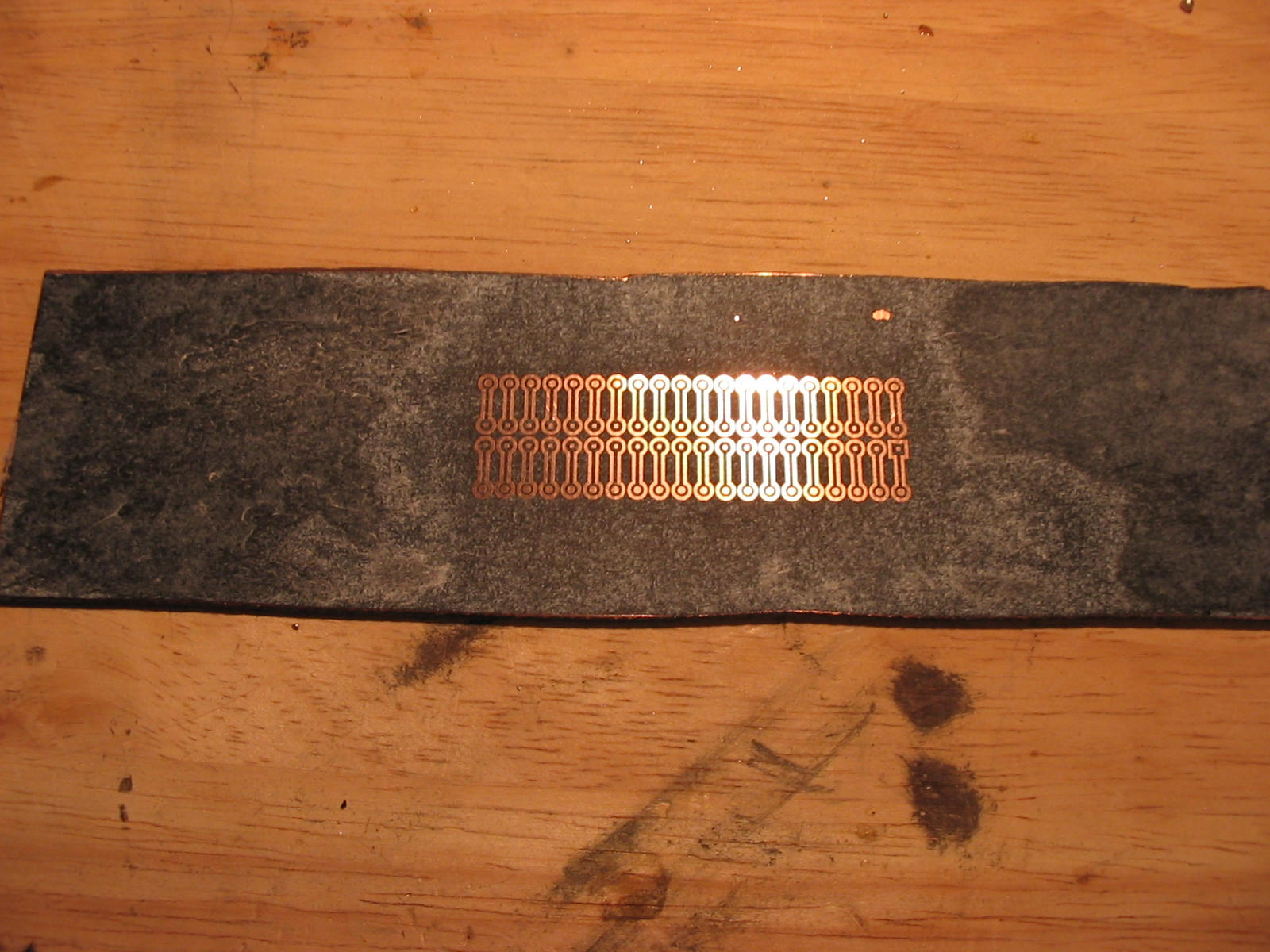
OK, here are a few more shots:

http://cockpit.varxec.net/tmp/s_img_2704.jpg
The board after removing the paper under running water.
You can see two areas where the toner didn't stick well, and the borders
are not well either, but it didn't pose a problem since it was out of
the way of the "active region".
This is just a mounting board and was made in just a few minutes.

I will try a more complex board within the next two weeks hopefully, and
can then report back on the success or failure.

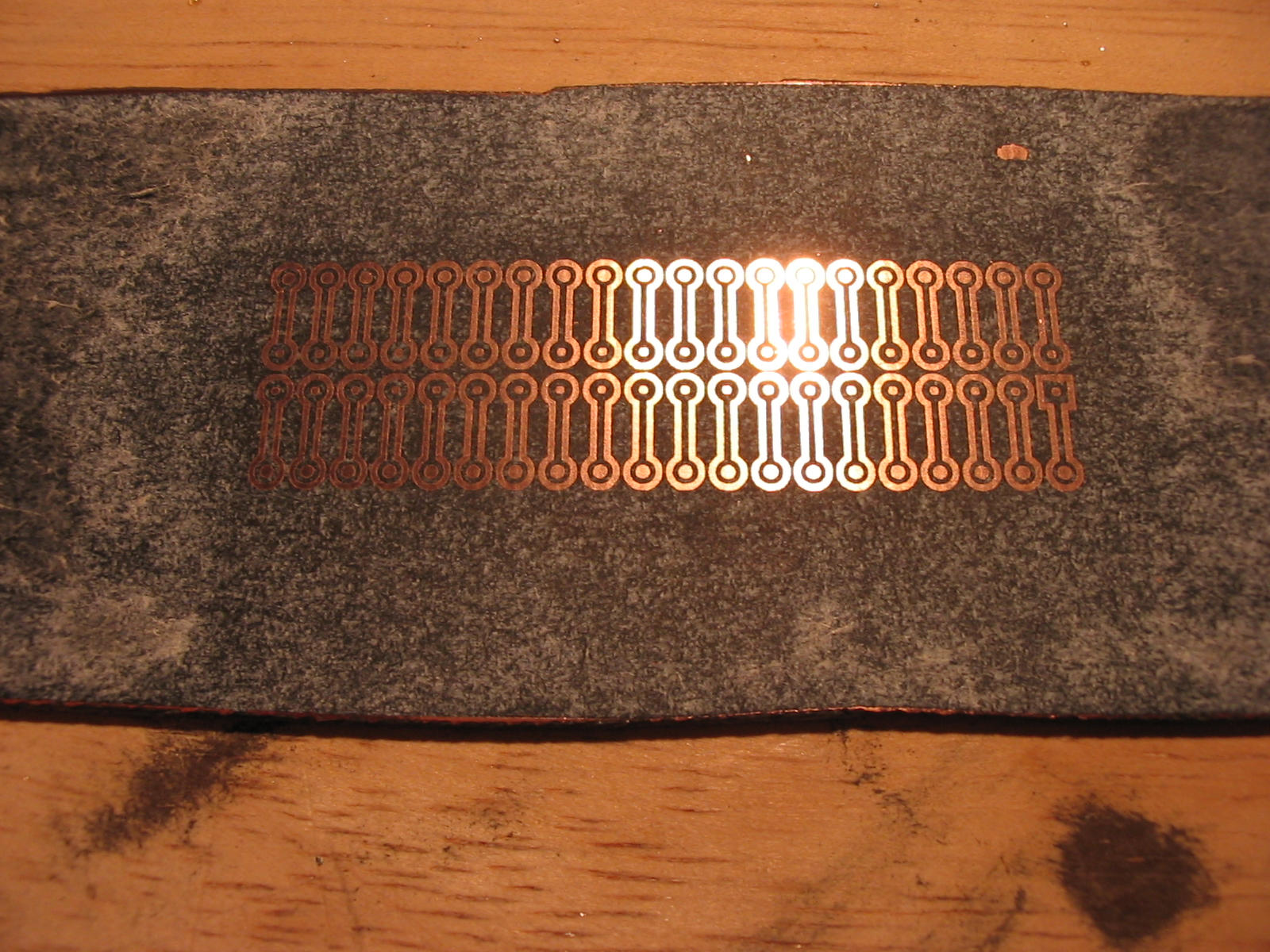
http://cockpit.varxec.net/tmp/s_img_2706.jpg
a little closer view of the prev. pic.

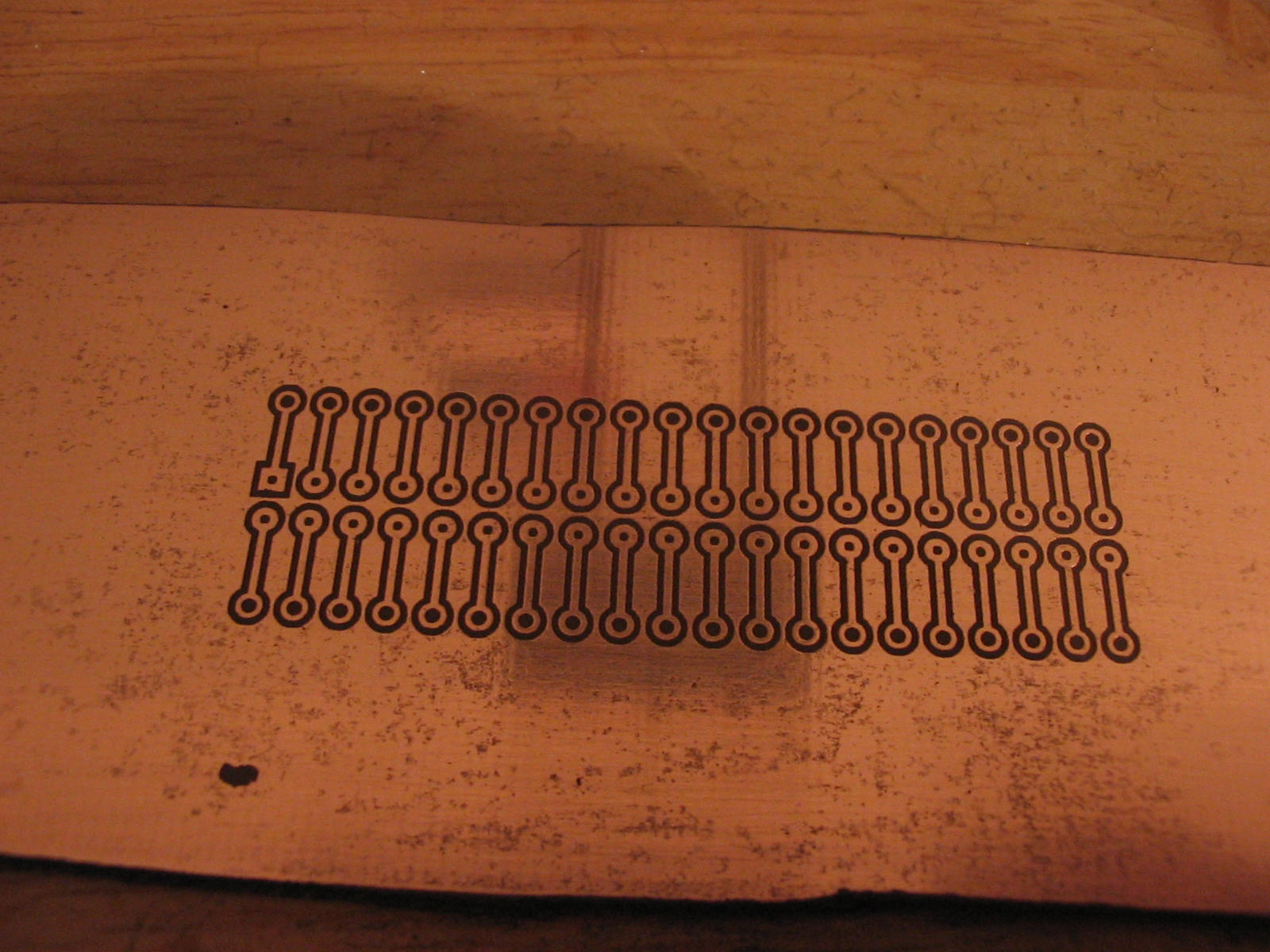
http://cockpit.varxec.net/tmp/s_img_2715.jpg
... and after etching


Manuel

Re: [Homebrew_PCBs] Re: PCB cleaning method

2004-11-04 by Stefan Trethan

On Fri, 5 Nov 2004 00:50:36 +0100, Manuel Bessler <pic@...> wrote:

>
> OK, here are a few more shots:
> http://cockpit.varxec.net/tmp/s_img_2704.jpg
> The board after removing the paper under running water.
> You can see two areas where the toner didn't stick well, and the
> borders
> are not well either, but it didn't pose a problem since it was out of
> the way of the "active region".
> This is just a mounting board and was made in just a few minutes.
> I will try a more complex board within the next two weeks hopefully, and
> can then report back on the success or failure.


look forward to it.
That copper ring around the holes is very narrow, unless you have
throughhole plating
you'll have a hard time drilling and soldering, and getting mechanic
stability.
Oblong pads help a great deal.
I also noticed drilling is easier centered if you only leave a
smaller-than-final hole on
the transfer.

ST

reducing pinholing( was Re: PCB cleaning method)

2004-11-05 by Phil

Hmmm, I use a copier on as dark a setting as I can (i.e. lots of
toner) and make 20 passes through the laminator. I think I'm at the
point of diminishing returns on those 2 items. I dont use a carrier
and do use 24 lb paper so I could mabe go thinner but not much.


--- In Homebrew_PCBs@yahoogroups.com, "Stefan Trethan"
<stefan_trethan@g...> wrote:
>
> On Thu, 04 Nov 2004 19:40:31 -0000, Phil <phil1960us@y...> wrote:
>
> >
> >
> > it is possible that the film this stuff leaves is some how binding to
> > the toner. How does it do on large areas of copper? I'm always
> > looking for ways to reduce pinholes.
> >
> > Phil
>
> same thinking here.
>
> reduce pinholes: use thinner paper (and no carrier sheet) makes the
> printer apply more toner.
> second run through the laminator tends to close them, but potentially
> reduces resolution of course.
>
> I'm reluctant to order the cleaner, unless there are more reports of
it's
> good quality.
> (kind of pricy with shipping)
>
> ST

Re: [Homebrew_PCBs] Re: PCB cleaning method

2004-11-05 by Thomas

I have used Porcelain cleaner to remove tarnish from the pcb, I cant
remember the active ingredients but it does work great !

btw I use this also when it comes to cleaning out the Heat Exchangers or
Radiators that get that build up of calcium / lime deposits that seem to
accumulate inside the Tubes ...
Thomas


----- Original Message -----
From: "Stefan Trethan" <stefan_trethan@...>
To: <Homebrew_PCBs@yahoogroups.com>
Sent: Friday, November 05, 2004 6:57 AM
Subject: Re: [Homebrew_PCBs] Re: PCB cleaning method


>
>
> On Fri, 5 Nov 2004 00:50:36 +0100, Manuel Bessler <pic@...> wrote:
>
>>
>> OK, here are a few more shots:
>> http://cockpit.varxec.net/tmp/s_img_2704.jpg
>> The board after removing the paper under running water.
>> You can see two areas where the toner didn't stick well, and the
>> borders
>> are not well either, but it didn't pose a problem since it was out of
>> the way of the "active region".
>> This is just a mounting board and was made in just a few minutes.
>> I will try a more complex board within the next two weeks hopefully, and
>> can then report back on the success or failure.
>
>
> look forward to it.
> That copper ring around the holes is very narrow, unless you have
> throughhole plating
> you'll have a hard time drilling and soldering, and getting mechanic
> stability.
> Oblong pads help a great deal.
> I also noticed drilling is easier centered if you only leave a
> smaller-than-final hole on
> the transfer.
>
> ST
>
>
>
>
>
>
> Be sure to visit the group home and check for new Bookmarks and files:
> http://groups.yahoo.com/group/Homebrew_PCBs
> Yahoo! Groups Links
>
>
>
>
>
>
>
>

Re: [Homebrew_PCBs] Re: PCB cleaning method

2004-11-05 by Cristian

At 23:43 04/11/04, you wrote:


>After much thinking for an old brain, I remember that we used something
>like this (sometimes instead of Brasso) to clean the brass for our
>uniforms.

We used the cheapest tooth paste for that!
Cristian

----------


---
Outgoing mail is certified Virus Free.
Checked by AVG anti-virus system (http://www.grisoft.com).
Version: 6.0.786 / Virus Database: 532 - Release Date: 29/10/04


[Non-text portions of this message have been removed]

Re: PCB cleaning method

2004-11-16 by daveismissing

Have you guys tried a mechanical polish - with a fiberglass brush


for instance.


( a big bundle of fibers stacked on end in a housing)


I think it comes out about as shiny as the photos, no real residue


D


-- In Homebrew_PCBs@yahoogroups.com, "Stefan Trethan"
<stefan_trethan@g...> wrote:


>


> On Thu, 04 Nov 2004 19:40:31 -0000, Phil <phil1960us@y...> wrote:


> > it is possible that the film this stuff leaves is some how binding
to


> > the toner. How does it do on large areas of copper? I'm always


> > looking for ways to reduce pinholes.


> > Phil


>


> same thinking here.


> ST

Re: PCB cleaning method

2004-11-16 by Phil

--- In Homebrew_PCBs@yahoogroups.com, "daveismissing"
<shootme007@h...> wrote:
>
> Have you guys tried a mechanical polish - with a fiberglass brush
>
>
> for instance.
>
>
> ( a big bundle of fibers stacked on end in a housing)
>
>
> I think it comes out about as shiny as the photos, no real residue
>
>
> D
>

Cleaning isn't the issue. Generally, you dont want a residue and any
polish will leave one though it might not be visible. It might be
that the stuff mentioned (nevr-dull? where do they get those names?)
leaves a film that binds to the toner and the copper. Its on my list
of things to try as I still get pinholes in large areas of copper and
this might help. Its really only an issue for thermal areas and
appearance.

Also, I believe that shiny/smooth is actually not what you want. Some
degree of roughness will provide for more surface area and thus allow
a stronger mechanical bond between the toner and the copper. I got a
significant quality increase when I started using 600 grit abrasive to
prep my copper clad blanks.

Phil

Re: [Homebrew_PCBs] Re: PCB cleaning method

2004-11-16 by JanRwl@AOL.COM

In a message dated 11/16/2004 12:30:12 AM Central Standard Time,
phil1960us@... writes:

I got a significant quality increase when I started using 600 grit abrasive
to prep my copper clad blanks.<<


Ditto! Good for Phil!


[Non-text portions of this message have been removed]

Re: [Homebrew_PCBs] Re: PCB cleaning method

2004-11-16 by Philip Pemberton

In message <cnc6li+cgqk@...>
"Phil" <phil1960us@...> wrote:

> Also, I believe that shiny/smooth is actually not what you want. Some
> degree of roughness will provide for more surface area and thus allow
> a stronger mechanical bond between the toner and the copper. I got a
> significant quality increase when I started using 600 grit abrasive to
> prep my copper clad blanks.

Same here - I used to use a green scouring pad (Scotchbrite?), but I always
had tracks that wouldn't transfer. I switched to using 600-grit wet/dry paper
(3M WetOrDry P600) and every single track transferred fine, aside from a few
gaps where I was a little too rough scrubbing off the paper residue.
Thankfully the red permanent Staedtler Lumocolour markers are etch resistant.
Another thing the Staples paper is good for is component overlays - just a
shame it's so hard to get the gelatine (?) residue off.

Later.
--
Phil. | Acorn Risc PC600 Mk3, SA202, 64MB, 6GB,
philpem@... | ViewFinder, 10BaseT Ethernet, 2-slice,
http://www.philpem.me.uk/ | 48xCD, ARCINv6c IDE, SCSI
... "640K ought to be enough for anybody." - Bill Gate

Re: [Homebrew_PCBs] Re: PCB cleaning method

2004-11-16 by Stefan Trethan

On Tue, 16 Nov 2004 08:40:04 GMT, Philip Pemberton <philpem@...>
wrote:

>
> Same here - I used to use a green scouring pad (Scotchbrite?), but I
> always
> had tracks that wouldn't transfer. I switched to using 600-grit wet/dry
> paper
> (3M WetOrDry P600) and every single track transferred fine, aside from a
> few
> gaps where I was a little too rough scrubbing off the paper residue.
> Thankfully the red permanent Staedtler Lumocolour markers are etch
> resistant.
> Another thing the Staples paper is good for is component overlays - just
> a
> shame it's so hard to get the gelatine (?) residue off.


And you say that just after i spent 5 bucks on scouring pad !?!
No, i have no problem with either paper or pad, but the pad makes a much
nicer board finish.

As for removing the gelatine: scouring pad!!! works like a charm.
just rub until the paper residue is off.
I have only tried it on toner-on-epoxy, which adheres much better than on
copper.
I dunno if it will work on "component legend over copper tracks" too, but
what works for that for
sure is abrasive kitchen cleaner (the liquid). Takes much more elbow
grease to polish all the paper off.
If you use the pad it won't become shiny, but the paper coms off quick and
a short poloish with a paper
towel makes it look like the best component legend you've ever seen.

Read my previous posts for details and pictures.

ST