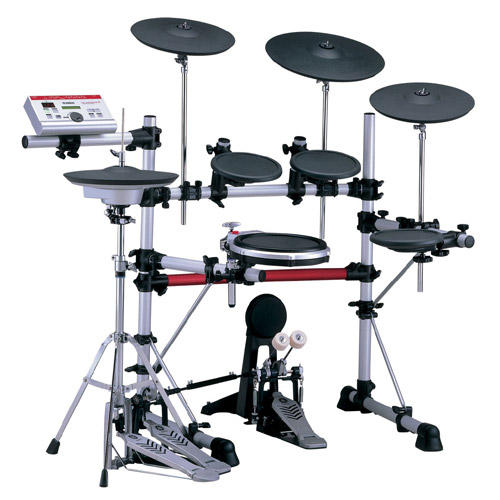
Has anyone tried this yet?

--- In DTXpress@yahoogroups.com, "Vernon Graner" <vern@t...> wrote:
> I know this has been a topic on many an occasion, and recently
(after
> describing the problem to an engineer friend of mine), he came up
with a
> very inexpensive and amazingly effective way to isolate your kit
from
> your environment when practicing. Since I didn't think you folks
would
> appreciate 6.5megs of JPG's plastered into the list ;), I made up a
web
> page with the images he referres to here:
>
> http://www.dtxpressions.com/platform/platform.htm
>
> Have a look :)
>
> --
> Vern Graner CNE/CNA/SSE     | "If the network is down, then you're
> Senior Systems Engineer     | obviously incompetent so why are we
> Texas Information Services  | paying you? Of course, if the network
> vern@t... www.txis.com  | is up, then we obviously don't need
> Cell 507-7851 Desk 328-8947 | you, so why are we paying you?" VLG
>
>
>
> -------- Original Message --------
> Subject: Sound Dampening Platform
> From: Bob <bob@s...>
> Date: Fri, March 14, 2003 10:16 pm
> To: vern@t...
>
>
>   Vern,
> Here is the concept on how the make a sound dampening platform
> for your drum kit. This platform is made with 1/2 thick plywood and
> tennis balls. Tools needed are a saw, electric drill, drill bit,
and a 1
> 3/4 hole saw.
>
> Two additional items will need to be figured out.
>
>    1. How big to make the make the pieces of plywood so all the gear
> and YOU will fit comfortably on the base.
>
>     2. In certain areas there will be more weight on the base, as
where
> a heavy person will sit.  In these areas a few extra tennis balls
can be
> added to support the extra load. These can always be added later.
>
>    The pictures show small pieces of plywood.  This is for example
> only. A real platform will be much larger.
>
>    Pic-1.  Mark the corner of both pieces of plywood with and x.
This
> is so you can match the orientation of the 2 pieces later.  Mark
the top
> piece of wood with marks where you want the tennis balls to be.
Balls
> about 12 to 16  inches apart offer plenty of support.
>
>    Pic-2.  Clamp or screw the 2 pieces of wood together.
>
>    Pic-3.  Drill a 1/4"  pilot hole at the marks for the balls.
>
>    Pic-4   With a 1 3/4" hole saw drill holes at all of the pilot
holes
> made
>            in Pic-3.  Hints:  Drill through ONLY 1 piece of wood at
a
> time.
>
> Raise the hole saw briefly while drilling to clear the
> cutting  teeth of the hole saw. Do the clearing after every
> 10 to 15 seconds of drilling. This makes drilling go faster.
>
>    Pic-5.  Remove the cut plug from the hole saw after each cut.
>
>    Pic-6.  Drill all the holes in both pieces of wood.
>
>    Pic-7.  Place the tennis balls on the bottom piece of wood.
>
>    Pic-8 & 9. Place the top piece of wood on the tennis balls.
>
> An additional 3rd piece of plywood can be placed on top to
> give a smooth walking surface. The two top pieces of plywood can
fastened
> together with some short wood screws and a little Elmers white glue.
>
> These little pieces of 1/2" plywood and 4 tennis balls I used in
> these pictures easily supports me standing on it and I weight
200lbs.
>
> So spread this around on the drum forum.  It is easy to make and
> works well. :)
>
> Bob Sheldon, Austin Texas.
Message
Re: Low Cost Sound Dampening Platform instructions
2003-07-02 by prog_uk
Attachments
- No local attachments were found for this message.