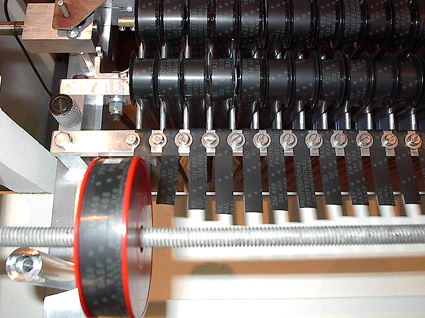
Overview
The Mellotron Group
WE HAVE MOVED!
Yahoo! Groups is shutting down. Please visit us on https://groups.io/g/Mellotron.
Old info:
This group is for anybody interested in the Mellotron.
While the topic often strays a bit, to synths and even other instruments, it's still about music - in particular, the type of music we all seem to appreciate most: those groups or players who love & use Mellotrons.
When you reply, it will go to the group, so take care!
- Members
- 200
- Created
- 2007-11-17
Search
Search this archive
Thread snapshot
Last 10 threads
- Fundraiser is UP (9 messages, 2019-10-25)
- Re: Report: "Yahoo will delete all Yahoo Groups content on December (3 messages, 2019-10-20)
- Posting pics (15 messages, 2019-10-19)
- Fundraiser? (8 messages, 2019-10-18)
- Off topic Moody Blues (17 messages, 2019-09-07)
- The passing yesterday of Tom Doncourt (4 messages, 2019-03-21)
- The passing today of Charles Thaxton (4 messages, 2019-03-21)
- Earth and Fire keyboard player Gerard Koerts (71) died (4 messages, 2019-02-22)
- Minitron (3 messages, 2018-08-02)
- Isolated Mellotron track for Starless (2 messages, 2018-06-11)