Overview
The Yamaha AN1x Synthesizer mailing list
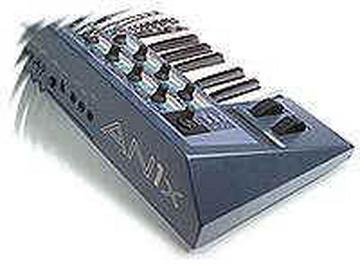
Yamaha AN1x
Control Synthesizer
Analog Physical ModelingWelcome to the AN1x-list at Yahoo! Groups. This list is open to all users of the Yamaha AN1x Synthesizer, the PLG150AN Expansion board, the AN200 Desktop Control Synth and any other 'AN' related Yamaha products - past, present, or future. This list is not affiliated with, nor sponsored by, Yamaha.
- Members
- 2601
- Created
- 1999-12-06
Search
Search this archive
Thread snapshot
Last 10 threads
- New AN1x list at groups.io created (2 messages, 2019-11-18)
- Plans to move this group? (15 messages, 2019-11-18)
- Group has been archived! (7 messages, 2019-11-12)
- AN1x-List Moderation / Preferences / Files / Decisions to be made? (1 messages, 2019-11-11)
- YahooGroups shutdown (2 messages, 2019-11-02)
- Re: [AN1x-list] New file uploaded to AN1x-list (40 messages, 2019-10-28)
- LCD restoration (1 messages, 2018-11-15)
- how can AN-EXPERT file goto cs6x card? (13 messages, 2018-07-19)
- can an1xedit work in windows 10 (4 messages, 2017-12-03)
- AN1x patches from Yamaha Europe/Germany (1 messages, 2017-11-28)